6 Ways a Metal Roof Improves Energy Efficiency
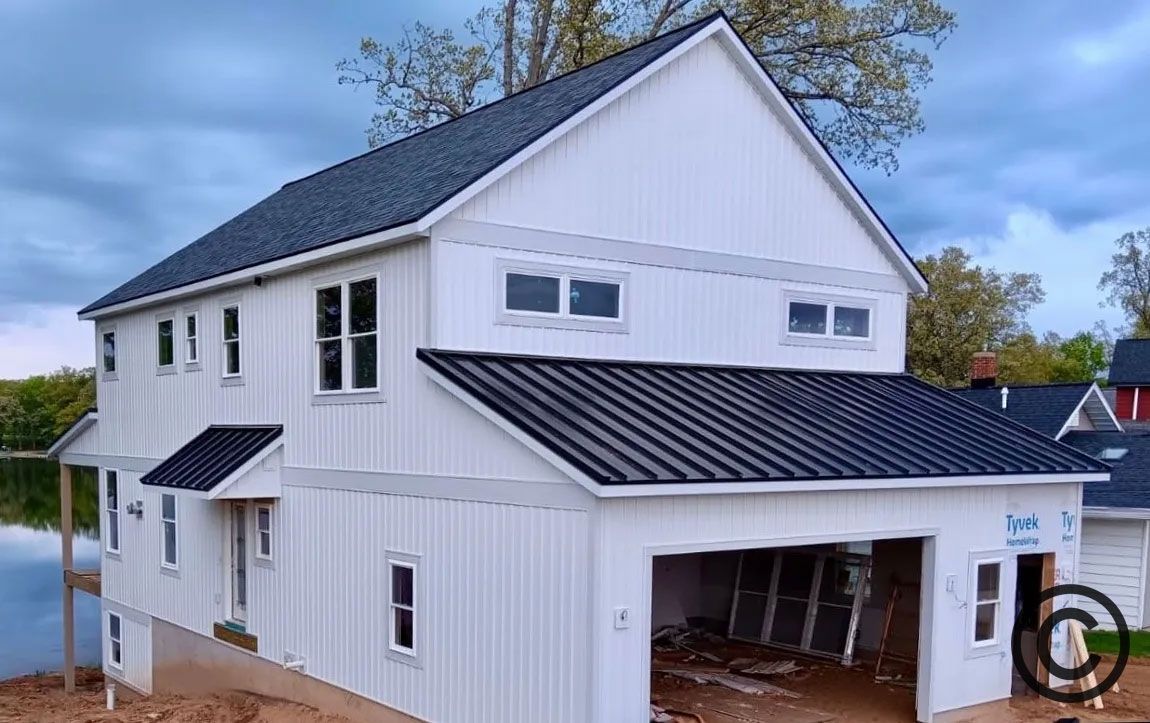
Energy efficiency is an important consideration for homeowners who want to manage indoor comfort and reduce unnecessary heating and cooling demands. The roof plays a major role in this effort because it is continuously exposed to sunlight, temperature changes, wind, rain, and other weather conditions. Roofing materials can influence how much heat enters a home, how effectively the structure manages changing temperatures, and how hard the HVAC system needs to work throughout the year. A professional metal roof installation can provide several energy-related advantages when the system is properly selected, designed, and installed. From reflecting solar heat to supporting ventilation and insulation strategies, metal roofing can contribute to a more efficient building envelope while also providing long-term protection for the home.
1. Reflecting More Solar Heat
One of the primary ways metal roofing can support energy efficiency is by reflecting a portion of the sun's energy away from the building. Dark or highly absorbent roofing materials may retain more heat during sunny conditions, which can contribute to higher temperatures in the attic and upper areas of the home. Metal roofing is available with reflective finishes and coatings that can reduce the amount of solar heat absorbed at the roof surface. This can be especially helpful during warmer months when direct sunlight places additional demand on cooling systems.
Reducing solar heat absorption can help limit the amount of heat that transfers into attic spaces and living areas below. A metal roof installation can be planned with color, finish, and coating choices that support the homeowner's energy-efficiency goals while complementing the appearance of the property. Although overall performance depends on climate, insulation, ventilation, and other factors, reducing heat gain at the roof surface can help the home remain more comfortable and may lessen the amount of work required from the air conditioning system.
2. Reducing Heat Transfer Into the Attic
The roof is one of the largest exterior surfaces exposed to direct sunlight, so controlling heat transfer through this area can make a meaningful difference in the home's thermal performance. When roofing materials become extremely hot, some of that heat can move downward into the attic. If the attic becomes excessively warm, the heat may eventually affect ceilings and interior rooms, particularly when insulation or ventilation is insufficient. Metal roofing systems can be designed to help manage this transfer more effectively.
A properly planned metal roof installation may incorporate features that create separation between the exterior roofing surface and the underlying structure. Depending on the roofing system, air space, underlayment, insulation, and ventilation can work together to reduce the amount of heat reaching the interior. These components do not operate independently, so careful planning is important. When the roof assembly is designed as a complete system, homeowners can gain better control over heat movement and reduce unnecessary temperature fluctuations in the spaces below.
3. Supporting More Effective Attic Ventilation
Attic ventilation plays an important role in managing heat and moisture throughout the year. During warm weather, trapped heat in the attic can increase indoor cooling demands, while during colder periods, poor ventilation may contribute to moisture concerns. Intake and exhaust vents help air move through the attic, reducing heat buildup and supporting more stable conditions beneath the roof. Roofing work provides an opportunity to evaluate whether existing ventilation is appropriate for the structure.
During a metal roof installation, contractors can consider how vents, ridges, soffits, and other airflow components will work with the new roofing system. Proper ventilation can help remove hot air that accumulates beneath the roof surface before it significantly affects interior temperatures. It can also support the performance of insulation by helping keep attic conditions more consistent. While ventilation requirements vary by home, incorporating an appropriate airflow strategy can improve the overall effectiveness of the roofing system and contribute to more balanced energy use.
4. Limiting Cooling Demand During Warm Weather
Cooling systems often work hardest during periods of intense sunlight and high outdoor temperatures. If the roof absorbs and transfers large amounts of heat into the home, the air conditioner must remove that additional heat to maintain the thermostat setting. Reducing roof-related heat gain can therefore help limit the cooling load. Reflective metal roofing, proper ventilation, insulation, and other roof assembly features can all contribute to this process.
A professionally completed metal roof installation can help homeowners take advantage of these combined strategies rather than relying on one feature alone. The appropriate material, coating, ventilation approach, and underlying components can be selected based on the home's design and local climate. Lowering unnecessary cooling demand does not mean the air conditioner will stop running during hot weather, but it can help create conditions in which the system does not need to compensate for as much heat entering through the roof.
5. Maintaining Performance Over the Long Term
Energy efficiency is not only about how roofing performs immediately after installation. Long-term durability also matters because deteriorating materials can develop gaps, loose sections, or other problems that affect the building envelope. Metal roofing is designed to provide long-lasting protection when installed and maintained correctly. Its durability can help preserve the roof's performance characteristics over time, provided that seams, fasteners, flashing, coatings, and other components remain in good condition.
Regular inspections following metal roof installation can help identify maintenance needs before they begin affecting performance. Checking for damaged panels, worn sealants, loose fasteners, or flashing concerns can help maintain a consistent protective barrier. According to HomeGuide, a roof replacement typically takes between one and eight days, with the timeframe influenced by the roofing material, size, pitch, and complexity of the project. Because replacement represents a significant project, choosing a durable system and maintaining it carefully can help homeowners protect their investment while supporting stable energy performance over many years.
6. Improving the Overall Building Envelope
The building envelope includes the roof, walls, windows, doors, insulation, and other components that separate indoor spaces from outdoor conditions. Energy efficiency improves when these elements work together to limit uncontrolled heat transfer and air movement. The roof is especially important because of its size and direct exposure to weather. Upgrading an aging or inefficient roofing system can therefore be one part of a broader effort to improve the home's overall thermal performance.
Planning a metal roof installation with the entire building envelope in mind can help homeowners identify related improvements that may support efficiency. Ventilation, insulation, flashing, air sealing, and drainage can all influence how effectively the roof performs as part of the structure. Rather than viewing the roofing material as an isolated component, homeowners can consider how it interacts with the rest of the home. This coordinated approach can help create more consistent indoor conditions and reduce the energy demands associated with maintaining comfortable temperatures.
A metal roof can support energy efficiency in several ways, including reflecting solar heat, reducing heat transfer, supporting attic ventilation, complementing insulation, lowering cooling demand, maintaining long-term performance, and strengthening the overall building envelope. The benefits depend on more than the roofing material alone, which is why proper planning and installation are essential. A professional metal roof installation can help homeowners select appropriate materials and coordinate the roof with ventilation, insulation, and other components that influence energy use. If you are considering an energy-conscious roofing upgrade and want professional guidance for your property, contact Ken Manschesky Roofing LLC.


Share On: